Introduction
When it pertains to fencing, the option between lumber and metal is frequently a hot subject of discussion-- specifically in areas prone to high winds. Homeowners regularly wonder which material will stand up best against extreme climate condition while supplying the performance and aesthetic appeal they prefer. This short article explores the numerous elements of lumber and metal fencing, helping you make a notified choice customized to your special needs. So, let's jump right into the fray and check out Timber vs. Metal: Which Fence is Best for Windy Areas?
Understanding Wind Resistance in Fencing
What Makes a Fence Wind Resistant?
Wind resistance is a critical aspect when choosing a fence for windy locations. It refers to how well a fence can stand up https://onthefencing.com.au/ to strong gusts without being harmed or rooted out. A range of factors add to wind resistance, consisting of:
- Material Strength: More powerful materials can withstand higher wind speeds. Design: Open designs permit wind to go through, reducing pressure on the structure. Height: Taller fences may experience more wind pressure at their tops.
The Impact of Regional Climate
Before choosing in between lumber and metal, it's essential to think about the environment in your area. Regions that experience frequent storms or high winds need tougher fencing choices. Knowing your regional weather condition patterns can assist you pick a preferable fencing option.
Timber Fencing: The Timeless Choice
Types of Timber Fences
Several designs fall under timber fencing, consisting of:
Timber Paling Fences Picket Fences Privacy Fences Retaining WallsEach type has its distinct features and benefits, making them appropriate for various applications.
Advantages of Lumber Fencing
- Aesthetic Appeal: The natural beauty of wood includes heat and appeal to any property. Customization: Lumber can be easily painted or stained to match your home's decor. Eco-Friendly: If sourced sustainably, wood is a sustainable resource.
Disadvantages of Lumber Fencing
- Susceptibility to Weather condition Damage: Wood can warp, rot, or splinter due to moisture exposure. Maintenance Needs: Routine staining or painting is required for longevity. Vulnerability to Pests: Pests like termites can damage wood if not appropriately treated.
Metal Fencing: The Modern Solution
Types of Metal Fences
Metal fences can be found in different types:
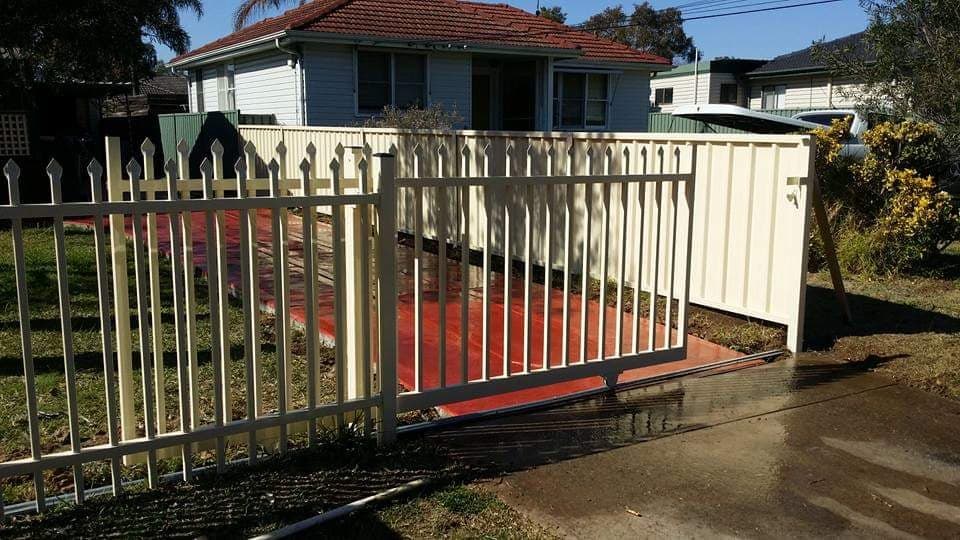
Colorbond Fences Aluminium Blade Fences Aluminium Slat Fences Tubular Metal Fences Glass Swimming pool Fences Security FencesThese alternatives offer varying levels of personal privacy and security based on design.
Advantages of Metal Fencing
- Durability: Metal fences are typically more robust than timber alternatives and can withstand high winds. Low Maintenance: They need very little maintenance compared to wood fences. Long Lifespan: Quality metal fences can last years without substantial wear.
Disadvantages of Metal Fencing
- Cost: Initially, metal fences tend to be costlier than wood alternatives. Limited Aesthetic Options: While modern-day designs have enhanced this aspect, some still choose the warmth of wood.
Comparison Table: Timber vs. Metal in Windy Areas
|Feature/Criteria|Lumber|Metal|| --------------------------|------------------------------|-----------------------------|| Strength|Moderate|High|| Wind Resistance|Variable (depends upon design)|Exceptional|| Upkeep|High|Low|| Initial Expense|Lower|Greater|| Durability|10-- 15 years|25+ years|| Visual Range|Wide|Moderate|
Fencing Installation Factors to consider for Windy Areas
Choosing Experienced Fence Builders
When setting up a fence designed for windy conditions, it's crucial to deal with skilled fence builders who comprehend local weather challenges and materials fit for high-wind areas.
What Should You Look For?
Reviews from past clients Expertise with different materials Licensing and insuranceWorking with respectable Fence installers Melbourne ensures you get quality workmanship tailored to hold up against those gale-force winds.
Foundation Matters!
The foundation is vital for any fence-- specifically in windy areas where soil erosion may take place in time:
Use concrete footings that extend listed below the frost line. Install additional bracing as required for taller structures.These measures guarantee stability even throughout extreme weather conditions.
Timber vs. Metal: Which Fence is Finest for Windy Locations? - Comprehensive Analysis
Now that we've dissected each product's merits separately let's weigh them against each other clearly concerning their performance in windy climates.
Structural Stability Under Pressure
Metal fencing normally boasts remarkable structural stability compared to lumber choices when subjected to high winds due mainly to its stiff framework design-- making it less most likely to bend or break apart under stress.
Why Is This Important?
A structurally sound fence provides enhanced security by avoiding particles from flying onto your property throughout storms while likewise ensuring that animals stay safe and secure behind non-breaching barriers!
Wind Flow Dynamics
Timber fences may act as strong walls that trap wind pressure instead of permitting it passage like a lot of metal styles do; this becomes especially problematic throughout gusts going beyond 50 miles per hour!
What Can Be Done?
Adding gaps tactically within wood panels permits air flow however may compromise privacy-- a compromise needing mindful consideration based on specific house owner preferences!
Maintenance Requirements
While both products require maintenance in time-- wood needs considerably more attention due primarily because moisture leads straight towards decay! On the other hand, metals like Colorbond offer protective coverings decreasing rust threats altogether!
Top Maintenance Tips
For timber: 1) Routinely inspect for rot 2) Apply water resistant sealants annually
For metal: 1) Clean off dirt buildup regularly 2) Examine joints where deterioration may develop
Ultimately discovering balance between visual appeal & & practicality ultimately serves property owners best long-term!
Cost Comparison
In terms of initial investment expenses connected with fencing setups-- lumber usually wins out favorably due lower raw material prices; nevertheless when factoring lifespan factors to consider + maintenance costs-- it typically ends costing much greater overall than investing in advance into long lasting steel variants!
Budget Breakdown Example
Assuming typical setup rates:|Material|Initial Costs (est.)|10-Year Upkeep Expenses (est.)|| ------------|---------------------------------|------------------------------------------|| Wood|$20-$30 per foot|$5-$10 per foot|| Metal|$30-$40 per foot|$0-$5 per foot|
As seen above-- though starting less expensive in some cases results in being pricier long-term!
FAQs
What Are the Main Factors Affecting My Fence Choice?
When choosing in between lumber and metal fencing materials think about: 1) Local wind conditions 2) Desired aesthetic choices 3) Budget plan restraints 4) Upkeep desire
Are There Hybrid Options Available?
Yes! Numerous property owners choose hybrid solutions integrating both wooden aspects & & metallic supports boosting sturdiness while preserving timeless looks!
How Do I Determine My Regional Wind Conditions?
Consult regional meteorological sites or apps tracking historic information surrounding wind speeds specific places in time will help notify decisions accurately!
Can I Get Custom Styles from Fence Companies?
Absolutely! Most Fence business today use personalization services allowing tailored services meeting specific property owner styles specifically preferred outcomes!
Do I Need Allows Before Installing My Fence?
Most towns need authorizations before erecting new fences; check regional zoning laws first before continuing installation strategies head-on!
Which Kind of Fence Will Supply Much Better Security?
Generally speaking-- metal fencing tends outperform wood counterparts concerning security procedures due hardiness combined with lockable gates available alongside strengthened panels optimizing defense against intrusions easily!
Conclusion
In summary, both wood and metal fencing have special advantages and drawbacks when considering their efficiency in windy areas; however, if you're looking mostly focused on sturdiness integrated with low-maintenance requirements eventually guiding you towards something constructed difficult enough stand up to nature's extremes-- metal would likely serve better general service here!
However if pure looks appeal strongly resonates within individual taste-- with diligent care presented throughout ownership life-span remains achievable through regular upkeep then choosing wooden style might work simply great too depending specific scenarios surrounding each property owner's yard dreams goals alike playing function final decision-making process leading next steps taken ahead effective installations completed soon afterwards resulting spectacular exteriors beautifying residential or commercial properties all over around town today tomorrow beyond!